
Muzaffarpur hospital blaze kills 3 patients, leaves 20 injured
.gif)

Download Mobile App 






In a swift U-turn that eased worries across India, the Department of Telecommunications today scrapped its controversial five-day-old order forcing mobile makers to pre-install the Sanchar Saathi cyber security app on every new phone sold here. Launched just last week on November 28, the mandate aimed to make the fraud-busting tool easier for folks to grab amid rising scams, but it quickly sparked a storm of backlash over privacy fears and "snooping" vibes. Communications Minister Jyotiraditya Scindia stepped in during Lok Sabha debates, assuring lawmakers the app doesn't touch personal data and was never meant to spy—yet with 600,000 downloads in a single day signaling huge public buy-in, the government decided forcing it wasn't needed anymore.
This rollback feels like a breath of fresh air for users who dreaded a non-deletable app lurking on their devices, turning what could have been a tech tussle into a tale of listening to the people.The app itself, already boasting 14 million users who report around 2,000 fraud cases daily, helps spot suspicious calls, texts, and connections without digging into your chats or location. DoT Secretary Neeraj Mittal called the surge in registrations a "10x leap" and proof of trust in the government's shield against cyber crooks. But behind the scenes, whispers from industry insiders point to heavy pushback: phone giants like Apple were scrambling, legal experts flagged constitutional red flags, and opposition voices roared about a "surveillance state" disguised as safety.
Even as some brands cheered the original push and started prepping, the uproar in Parliament's Winter Session and online fury echoed a similar flop with an AI advisory earlier this year—proving once again that good intentions can backfire without clear communication.For everyday Indians juggling scam calls and spam, this means Sanchar Saathi stays handy as a free download, not a forced guest on your gadget. As the dust settles, it's a reminder that in our hyper-connected world, balancing fraud fights with privacy rights isn't easy—but pulling back when voices rise shows the system can bend toward better. With user numbers climbing fast, the real win might just be more folks choosing to arm themselves against digital dangers on their own terms.










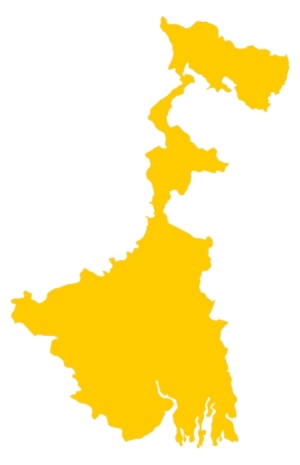 West Bengal
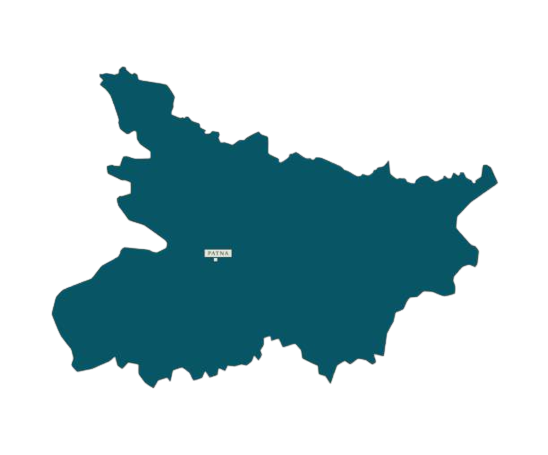 Bihar
Bihar Uttar Pradesh
 Jharkhand